Kitchen
- Grease goes in the trash. Let it cool, pour it into a can or jar, and throw it away. Wipe greasy pans with a paper towel before washing.
- Scrape plates into the trash or compost, not the disposal. A disposal grinds food; it doesn’t make it disappear.
- Avoid the disposal’s worst enemies: coffee grounds, eggshells, rice, pasta, potato peels, fibrous vegetables like celery and artichokes.
- Run cold water while the disposal operates and for several seconds afterward.
- Use a sink strainer in the second basin.
Bathrooms
- Only the three P’s go in the toilet — pee, poop and toilet paper. Not wipes (even “flushable”), paper towels, cotton swabs, dental floss or feminine products.
- Install hair catchers in showers and tubs and clean them weekly.
- Keep a small trash can next to every toilet so guests have an alternative.
- Clean pop-up stoppers in bathroom sinks every few months — they collect hair and soap.
Laundry
- Add a lint trap or mesh filter on the washer discharge hose.
- Don’t overdose detergent — excess soap combines with lint and hard-water minerals into a sticky mat.
- Spread out large loads on days when the house is using a lot of water.
Then the problem is inside the pipe. Call to talk about cleaning and a camera check.
The main sewer line
- Know where your cleanout is and keep it accessible and capped.
- Know where your sewer runs and keep new trees away from that path.
- If roots have been found, schedule periodic cutting instead of waiting for a backup.
- Before big gatherings, consider whether the line has been acting up — holidays are peak season for backups.
Drain myths that make things worse
| Myth | Reality |
|---|---|
| “Hot water and soap wash grease away.” | They move grease a few feet farther, where it cools and sticks. |
| “Chemical drain openers fix clogs.” | They rarely clear buildup, can damage older pipes, and are hazardous to anyone who works on the drain later. |
| “Flushable wipes are fine.” | A 2019 study at Ryerson University (now Toronto Metropolitan University) found none of the “flushable” wipes tested broke down adequately. |
| “Baking soda and vinegar clears clogs.” | The fizz is harmless but won’t remove grease, hair or roots. |
| “If it drains, it’s fine.” | Slow drainage is the early warning; acting then is far cheaper. |
Monthly maintenance that helps
- Clean hair catchers and sink strainers.
- Flush rarely used drains (guest baths, floor drains) with a bucket of water to keep traps filled and sewer gas out.
- Consider an enzyme-based drain maintenance product for kitchen lines — it can slow light buildup, though it won’t clear an existing clog.
When prevention isn’t enough
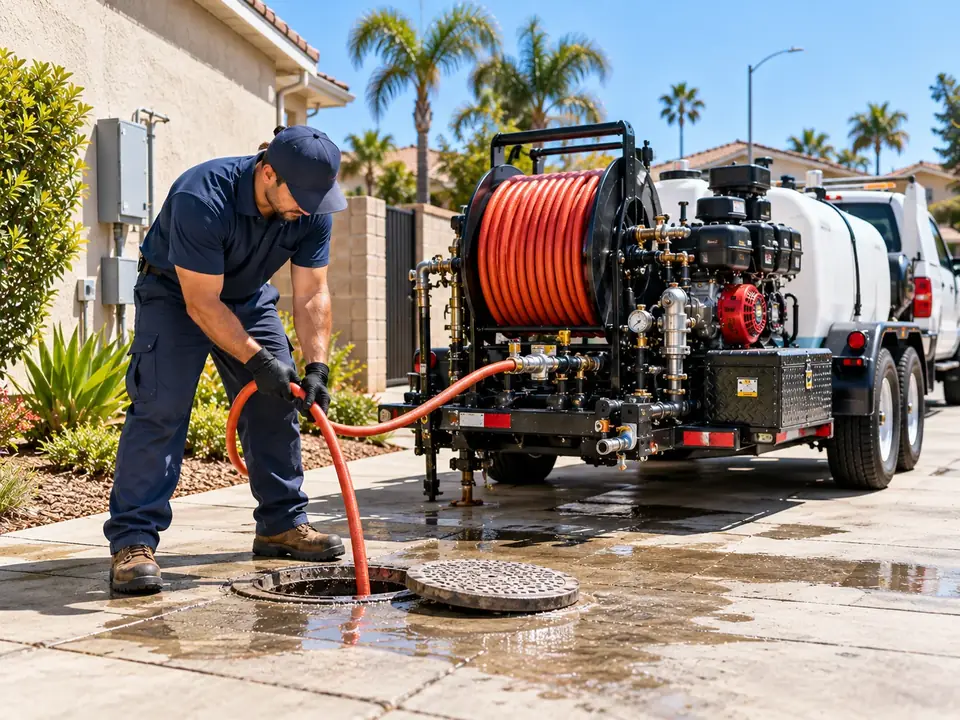
If you’re following good habits and a drain still clogs every few months, something else is going on: grease or scale already lining the pipe, roots at the joints, or a structural defect like a sag or offset. Those require a full cleaning — hydro jetting removes the buildup — and a camera inspection to see what’s left. It’s also worth noting that Whittier’s hard water accelerates soap and grease buildup, so older lines here can narrow faster than you’d expect.
Frequently asked questions
What’s the most common cause of recurring kitchen clogs?
Grease coating the pipe wall. Each time a snake opens a hole, new grease sticks to the old layer and the clog returns.
Are enzyme drain cleaners safe?
Generally yes, for maintenance. They’re slower and gentler than chemical openers but won’t clear an existing hard blockage.
How often should I have my drains professionally cleaned?
Only as often as the evidence supports. Many homes never need routine jetting; homes with roots or heavy use may need it every one to two years.
Related services
- Recurring Drain Clog RepairSame drain, same clog, every few months? We find the cause behind the pattern and fix that — not just the symptom.
- Drain Line Hydro JettingTargeted cleaning for slow kitchen, laundry, tub and floor drains inside the building — using smaller hoses and controlled pressure.
- Preventive Drain MaintenanceScheduled jetting for restaurants, apartments and older homes — set by what the camera shows, not a sales calendar.
Call Precision Hydro Jetting. Describe the symptoms and get a straight answer on next steps.
Sources
- Toronto Metropolitan University — What not to flush (2019 wipes study)
- City of Whittier — Annual Water Quality Report (2017)

Precision Hydro Jetting — drain and sewer cleaning for Whittier, CA. This guide is general information, not a diagnosis of a specific plumbing system; conditions vary by property.