Why “it depends” is the honest answer
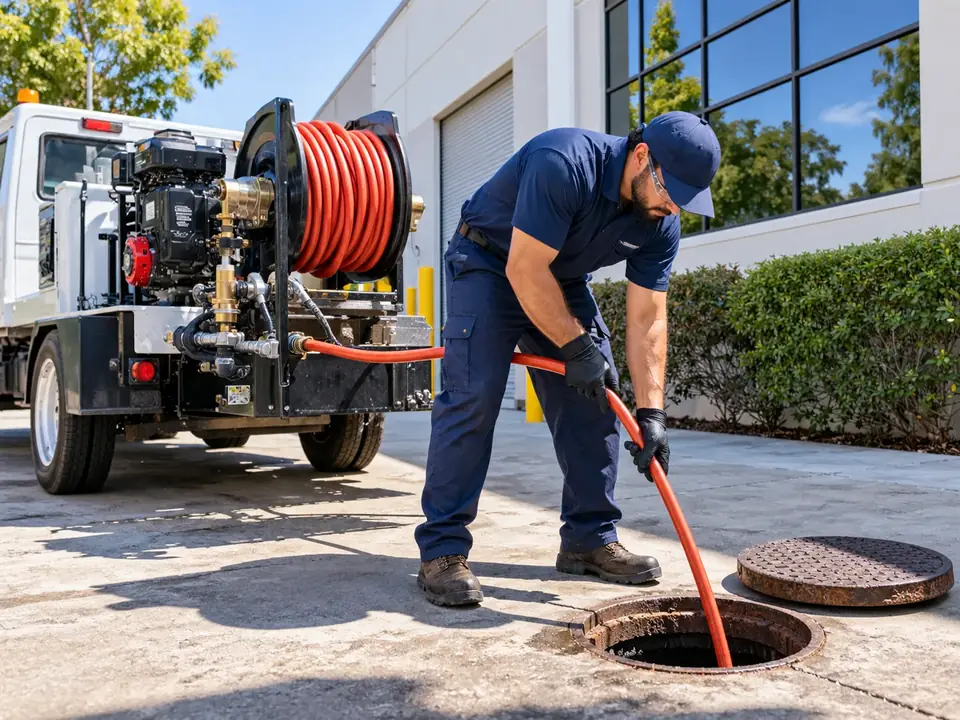
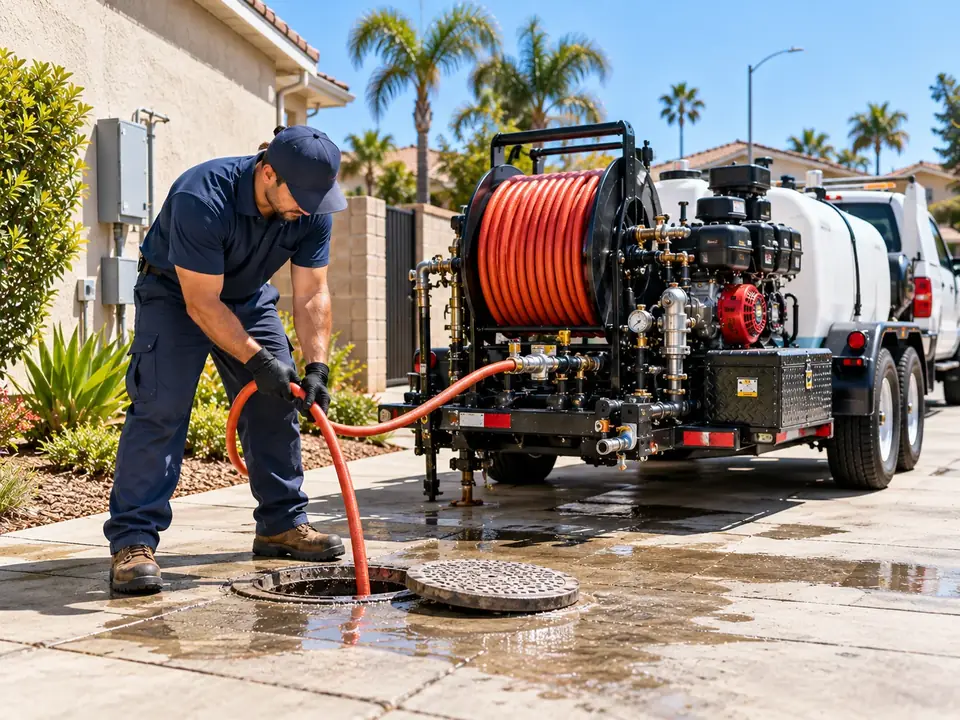
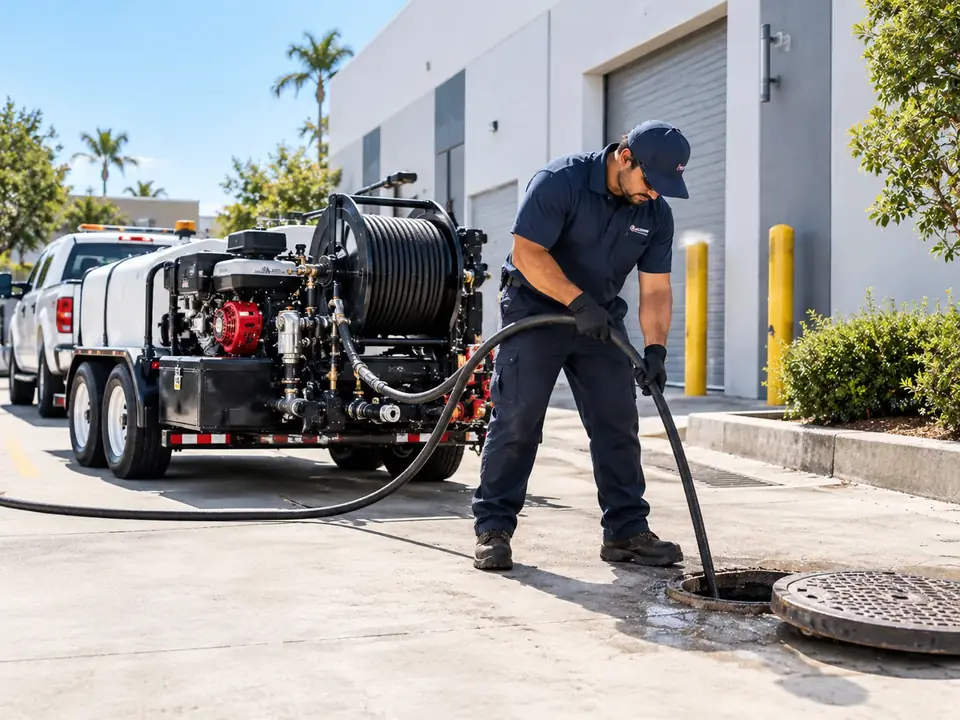
Buildup rates vary enormously. A fryer-heavy restaurant can coat a line in weeks. A two-person household with a plastic lateral and good kitchen habits might go decades without needing a jetter. Any provider who quotes the same schedule to everyone is selling a calendar, not a solution.
Typical starting intervals
| Property and situation | Common starting interval |
|---|---|
| High-volume restaurant, fryers, heavy grease | About every 3 months |
| Café, bakery, light food service | Every 6–12 months |
| Apartment building kitchen stacks and main | Every 6–12 months |
| Home with root intrusion in clay lateral | Every 12–24 months |
| Home with past grease clog, sound pipe, improved habits | As needed |
| Home with no history of problems | Not needed routinely |
Starting points only. Adjust based on inspection results.
How to set your own interval
- Baseline: jet the line to full diameter and record a camera inspection.
- First check: inspect again at the starting interval for your property type.
- Adjust: little buildup? Stretch the interval. Heavy buildup or roots closing in? Shorten it — or start pricing a permanent fix.
- Record: keep dates, findings and footage so the pattern is clear.
Call to talk about a baseline cleaning and inspection for your property.
Signs you’re due sooner than planned
- Drains slowing down again before the scheduled date
- Gurgling toilets or odors returning
- Seasonal patterns — roots often push harder in late summer and fall
- Changes in use: new menu items, more tenants, an added ADU
Can you jet too often?
In sound pipe, routine jetting at appropriate pressure doesn’t harm the line. The real cost of over-jetting is financial — paying for cleanings you don’t need. The opposite risk is bigger: waiting for a backup on a line you know is vulnerable. For older Whittier clay and cast-iron pipe, the bigger concern is condition: if a camera shows the pipe deteriorating, the conversation should shift from cleaning frequency to repair.
When maintenance stops making sense
If a home needs root cutting every six to twelve months, or a restaurant line is clogging between quarterly cleanings, compare the five-year cost of maintenance with a permanent repair such as lining or replacing the problem section. Maintenance is a strategy for managing a condition; it shouldn’t become a permanent substitute for fixing a pipe that’s failing.
Frequently asked questions
Should every home be hydro jetted annually?
No. Homes with sound pipe and no history of problems don’t need routine jetting. Homes with roots or recurring grease clogs may benefit from a schedule.
How often do restaurants need hydro jetting?
High-volume, grease-heavy kitchens often start at quarterly; lighter operations at six to twelve months.
Does frequent jetting damage pipes?
Not when the pipe is sound and pressure is appropriate. Deteriorated pipe is the concern — which is why periodic camera checks matter.
Related services
- Preventive Drain MaintenanceScheduled jetting for restaurants, apartments and older homes — set by what the camera shows, not a sales calendar.
- Commercial Hydro JettingRestaurants, retail centers, apartments and offices — high-volume lines jetted on a schedule that keeps your doors open.
- Tree Root Intrusion CleaningRoots growing into old clay sewer joints cut back to the pipe wall with root-cutting jet nozzles — plus a plan to slow regrowth.
Call Precision Hydro Jetting. Describe the symptoms and get a straight answer on next steps.

Precision Hydro Jetting — drain and sewer cleaning for Whittier, CA. This guide is general information, not a diagnosis of a specific plumbing system; conditions vary by property.